
Should Fans Feel Guilty Listening to “Snitches” in Hip-Hop?
The debate over “snitching” in hip-hop is as old as the culture itself, but it’s back in the spotlight
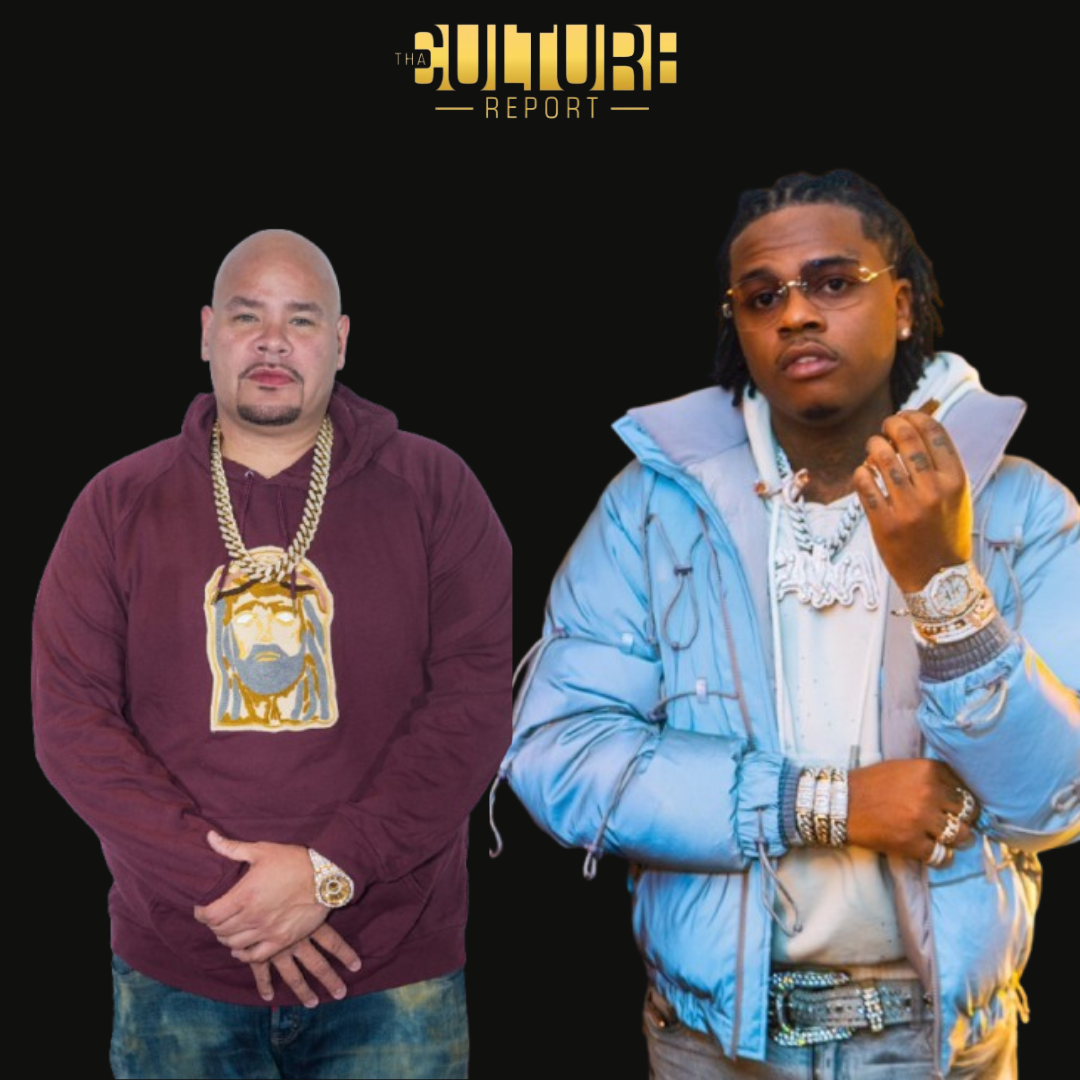
The debate over “snitching” in hip-hop is as old as the culture itself, but it’s back in the spotlight after Fat Joe’s comments on The Joe and Jada Podcast. In a conversation that Complex highlighted, Joe admitted he struggles with enjoying music from rappers who’ve cooperated with law enforcement, saying he felt guilty listening to Gunna after learning of his cooperation in the YSL case.
That admission sparked a question many fans and insiders wrestle with: should we feel guilty for listening to artists labeled as “snitches”?
On one hand, loyalty and the code of the streets have long been a foundation of hip-hop’s identity. From the days of N.W.A. to 50 Cent’s rise, authenticity—whether real or perceived—has been currency. For many fans, supporting an artist accused of “snitching” feels like a betrayal of that core principle. In this view, hip-hop isn’t just music; it’s a reflection of struggle, survival, and unwritten rules. Breaking those rules means losing credibility.
But hip-hop has grown. Born in the streets with those very principles, the culture has now expanded to become the world’s top genre—embraced by millions of fans who don’t come from the streets and don’t necessarily share that same code. For those listeners, the focus is less about “realness” and more about artistry, lyrics, and vibes. The disconnect between street principles and mainstream consumption makes the “snitching” debate even more complicated.
At the same time, hip-hop has always been about growth, storytelling, and personal truth. Does cooperating with the law automatically erase someone’s artistry, creativity, or contribution to the culture? For some, the music itself should stand apart from personal choices. As Fat Joe himself admitted, “I like Gunna’s music… I’m conflicted.” Fans may find themselves in the same space—still moved by the art, even if they question the artist’s street integrity.
At the heart of it, the conversation forces us to look deeper: do we consume hip-hop as pure entertainment, or do we hold artists accountable to the codes they rap about? There may never be a universal answer, but the discussion shows just how intertwined music, culture, and morality are in this genre.
Hip-hop is about more than bars—it’s about values. And whether fans choose to separate the art from the artist or not, one thing is clear: the debate over “snitches” in hip-hop isn’t going away anytime soon.


