Opinion: Why Has the Hip-Hop Community Been So Quiet About Nolan Wells?
Hip-hop has long been more than music. It has been a voice for the unheard, a platform for social
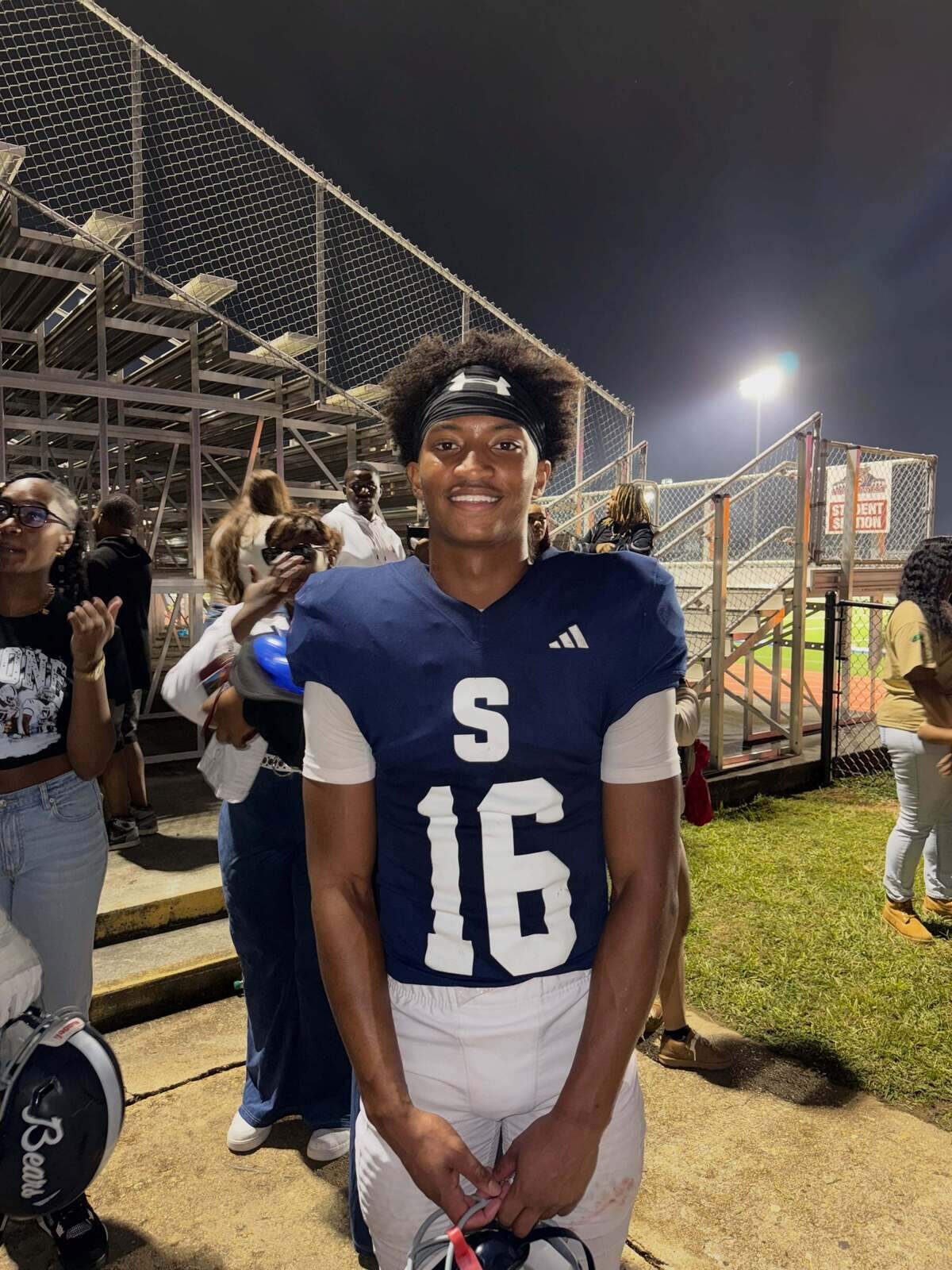
Hip-hop has long been more than music. It has been a voice for the unheard, a platform for social justice, and a culture that has repeatedly stepped forward when communities demand answers.
From police brutality and voting rights to criminal justice reform and racial inequality, artists and influential figures throughout hip-hop have used their platforms to amplify stories that might otherwise go unnoticed.
That is why the silence surrounding the case of Nolan Wells feels so noticeable.
Like many people across the country, I’ve followed this story and have been left with more questions than answers. The circumstances surrounding Nolan’s death have sparked public concern, fueled conversations online, and led many to ask whether every question has truly been answered. Regardless of where someone stands, one thing is clear: his family deserves transparency and the opportunity to seek the truth.
What has stood out to me is who has stepped forward.
Public figures including Tyler Perry, Terrell Owens, Colin Kaepernick, and Rev. Al Sharpton have reportedly contributed financial support to assist the family in their pursuit of answers. Their involvement has helped keep attention on a case that many believe deserves continued public discussion.
Yet, I can’t help but wonder why the hip-hop community—an industry that has often been at the forefront of speaking on injustice—has remained relatively quiet.
This isn’t about demanding that every rapper post on Instagram or donate money. No one is obligated to comment on every tragedy. But hip-hop has built a legacy of standing with families searching for justice and using its enormous platform to amplify stories that matter.
Whether it’s organizing benefit concerts, raising awareness online, or simply encouraging dialogue, the culture has historically shown up when communities needed its voice.
Perhaps there are artists working behind the scenes. Perhaps some are waiting for more verified information before speaking publicly. Those are valid possibilities.
Still, from the outside looking in, the absence of widespread support from one of the world’s most influential cultural movements raises an important question.
If hip-hop is truly committed to being a voice for the people, should stories like Nolan Wells’ receive more attention?
This isn’t an accusation. It’s an invitation for reflection.
Hip-hop has always been at its strongest when it speaks for those who feel unheard. Whether through music, activism, philanthropy, or simply using its platform to ask difficult questions, the culture has the power to bring awareness to issues that might otherwise fade from public conversation.
As Nolan Wells’ family continues searching for answers, perhaps this is one of those moments where the culture can once again remind the world that its influence extends far beyond the music.


