
NAACP Calls On Black Athletes To Reconsider Supporting Universities In States Facing Voting Rights Controversy
The NAACP is sparking national conversation after publicly encouraging Black college athletes, recruits, fans, and supporters to reconsider supporting
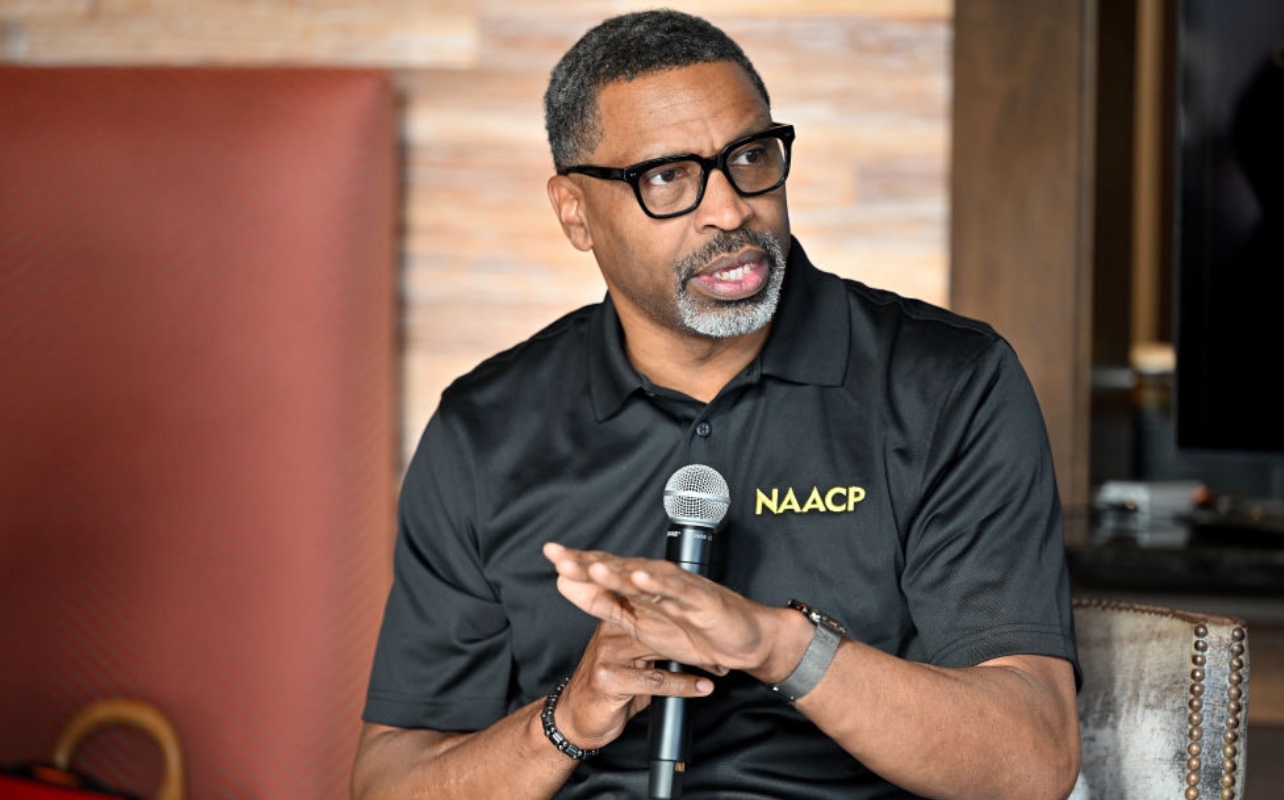
The NAACP is sparking national conversation after publicly encouraging Black college athletes, recruits, fans, and supporters to reconsider supporting athletic programs at public universities located in states accused of limiting Black voting representation.
The organization’s campaign, titled “Out of Bounds,” focuses primarily on several Southern states where ongoing debates surrounding voting rights, redistricting, and political representation have intensified in recent months. According to the NAACP, the initiative is about using the influence and economic power of Black athletes to bring attention to issues impacting Black communities beyond sports.
The conversation highlights the major role Black athletes continue to play within college athletics, particularly in powerhouse football and basketball programs across the South. Many of these universities generate millions — and in some cases billions — through athletics, with Black athletes serving as a major driving force behind the success, visibility, and financial growth of those programs.
The NAACP argues that while Black athletes continue helping build the brands and revenue of these universities, many Black communities are simultaneously dealing with concerns surrounding voting access and political representation within those same states. The organization believes athletes now have an opportunity to use their visibility and influence as a form of protest and awareness.
The campaign is also encouraging top high school recruits to consider alternative options, including HBCUs, while asking current student-athletes to become more vocal about social justice and voting rights issues impacting their communities.
Beyond recruiting, the NAACP is encouraging fans, alumni, and supporters to rethink where they spend their money by shifting support toward institutions and programs aligned with protecting Black representation and voting rights.
The movement has already created strong reactions across sports, politics, and social media. Supporters view the campaign as a continuation of athlete activism that has historically helped bring attention to major civil rights issues, while critics question whether college athletes should be placed at the center of political battles.
Regardless of differing opinions, the campaign reflects the growing connection between sports, culture, activism, and political influence in today’s landscape. It also reinforces how athletes — particularly Black athletes — continue to hold significant cultural and economic power far beyond the field or court.
As conversations surrounding voting rights continue across the country, the NAACP’s latest initiative is positioning college athletics as another arena where social and political change can be challenged, discussed, and potentially influenced.


