Kelly Glow: Reinventing Hip-Hop, One Powerful Verse at a Time
Kelly Glow is Hip-Hop. Yes, that’s a bold declaration, but only a few are as dedicated to living, breathing,
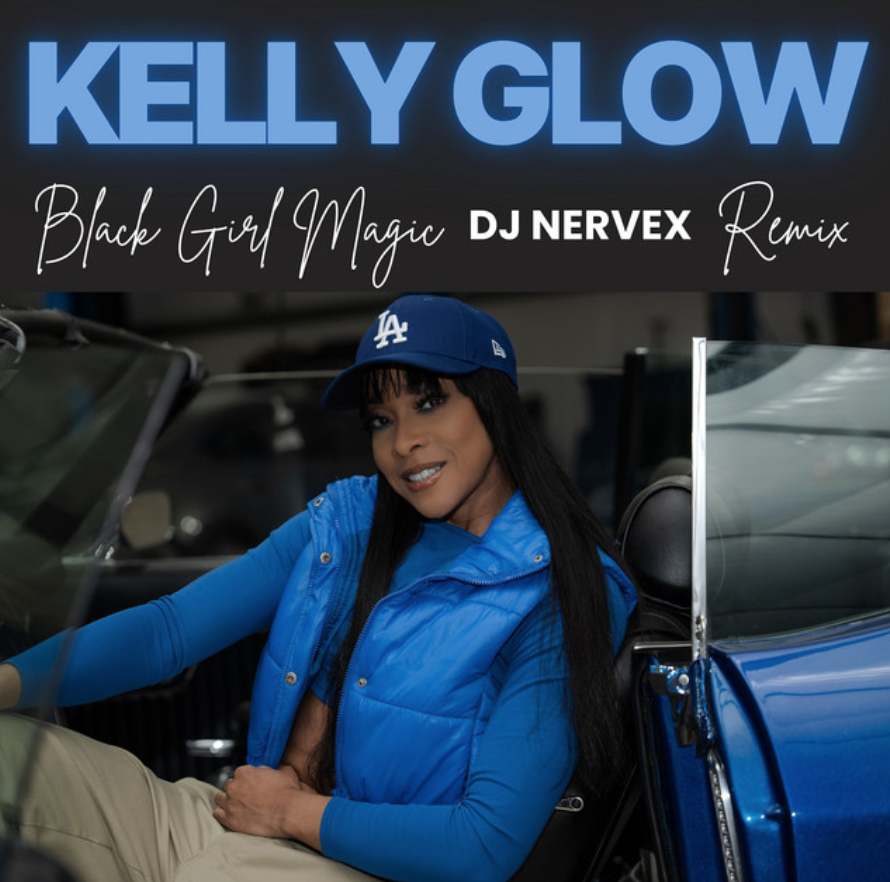
Kelly Glow is Hip-Hop. Yes, that’s a bold declaration, but only a few are as dedicated to living, breathing, and preserving the pillars of Hip-Hop culture, both in music and beyond. “Hip-Hop was always in my bones,” said Glow. Growing up in southern Los Angeles County, on the border of Compton, she witnessed the effects of drugs, violence, and poverty on her community. But her strong upbringing—growing up in a “house of service”—gave her the foundations to pursue higher education and financial security. “But through it all, Hip Hop remained my heartbeat,” she said.
Glow and Hip-Hop grew together in many ways, evolving and expanding as time progressed. Writing her first rap at 12 and street dancing with a crew during her youth, Hip-Hop has always been deeply embedded in her story, a driving force in her life’s journey. After relocating to Atlanta, she forged her own path in the gospel music community, sharing her love of Hip Hop and Lutheran faith on stages across the country—even winning a Gospel Choice Award in 2015 for Best Hip Hop Album. Yet, the importance of education, instilled in her early on, never wavered, motivating her to earn a Doctorate in Education with an emphasis on Hip-Hop Studies and become an educator.
But it’s never too late to pivot, reinvent, and rise. Simultaneously humble and unapologetic, Glow is a shimmering ray of confidence—a visionary embarking on her latest musical chapter at 49, unafraid to shatter the glass ceiling and inspire audiences across the globe with her vibrancy and tenacity. She’s far more than just an artist—she’s the catalyst for an entire movement, a bold yet ever-authentic counter-narrative to a youth-obsessed industry. Passionate, motivated, skillful, and fierce—no artist is better poised to dispel the negative perceptions of women and older artists in music, proving that there’s simply no age limit on spreading light and love.
The DJ Nervex remix of “Black Girl Magic” is a match made in heaven, and incredibly, one that feels destined to be. Though DJ Nervex wrote the instrumentation several years earlier, when they overlaid Glow’s verses in the production process, they fit perfectly, like missing puzzle pieces just waiting to be put together, resulting in an infectiously captivating trip back to the ‘90s, a zap of nostalgic boom bap electricity. With megaphone-like strength, Glow lets her true colors soar as she celebrates the resilience, grace, and brilliance of women of color. At no point does the track lose steam, and neither does Glow. Her flow is impeccable, luring listeners in with a commanding authority that doesn’t let go. Her first verse makes it immediately clear that she’s to be taken seriously, filled to the brim with a vibrant, braggadocious attitude. But the second verse digs deeper, diving into a harrowing history and paying homage to the women—the Black visionaries and changemakers—that have done exactly what Glow is doing: fearlessly charting their path to greatness. But rising above it all is an empowering call to the young women “who know they have it” to embrace their uniqueness, accept their worth without hesitation, and let their inner magic shine.
Directed by close friend and renowned director Will Thomas, the “Black Girl Magic DJ Nervex Remix” music video channels the contagious “bounce” of 90s West Coast boom bap, paired with a complementary hydraulic LA atmosphere. Always closely involved with the treatment of her visuals, a distinct vision surfaced for Glow even as she was recording the track in the studio. She saw the LA she grew up in—classic convertibles, neon lights, and of course, lots of dancing. In most music videos, background dancers are there to elevate the artistry of the star, relegated to just that: the background. But Glow won’t have any of that here. As a lifelong dancer (the first element of Hip Hop that she ever engaged with was actually dance, not rap), she knows a thing or two about the commitment and talent it takes to hone the craft. Defying the status quo, each of these dancers takes turns commanding the spotlight—proof that there’s enough “glow” to go around. But she takes it a step further, spotlighting many diverse styles of street dance that have made waves in Hip Hop subcultures around the country—from breaking to popping to krumping. Part love letter to Hip Hop and part a nostalgic adventure, one thing is clear: Kelly Glow is going all in, letting her radiance lead the way on this new sonic journey. And this is just the beginning.
1. You’ve said, “Hip-Hop was always in my bones.” Was there a specific moment in your childhood or young adulthood when you realized Hip Hop was going to be central in your life?
Growing up in Los Angeles during the early eighties was a very unique time in history. I was just an adolescent during that time, but my house was located on a street that led to a very popular hangout in Compton called “Dooto’s”. I saw some of the flyest low riders riding down the street blasting rap music through their booming systems. I saw young adults rocking their best outfits, best hairstyles, newest sneakers, and chunky gold jewelry. There was a synergy and collective consciousness in the hood that was so powerful. It’s difficult to explain, but something was in the air. Later, I would learn that those people I saw were all attendees going to concerts featuring Dr. Dre and Ice Cube very early in their careers. Needless to say, I was exposed to the LA hip-hop culture scene at a very young age.
When I was alone in my room, I would record songs played on the radio, create my mixtapes, and then make up dance routines to the songs. By age 12, I wrote my first rap song. It was a diss song about my next-door neighbor who was trying to imitate the gangsters in our neighborhood. When I performed the song for my friends and they went crazy, it was such a validating moment. That’s when I fell in love with hip-hop.
By the time I was in high school, I was fully immersed in the culture. It was the mid-nineties, which is also known as the “Golden Age of Hip Hop”. I was the female half of a rap duo called “The Funky Twins”. We recorded our mix tapes and rap battled kids at school. I wrote the name “DAZI” as a moniker. I was also a member of a dance crew called “The Wierdos’. My mother was concerned about the fact that I was a true size 2 wearing size 38 pants, but she figured it was just a phase. Thirty years later, I’m still at it. My jeans are not as baggy, though, I down-sized to 34.
2. What inspires your gritty, 90s hip-hop sound in your music? Do you feel that a revival of this style is on its way?
I love 90’s hip-hop. If you go to my playlist, 90% of the songs are ’90s hip-hop. I’m even the lead vocalist in a 90’s Hip-Hop and R&B tribute band called “No Diggity Band.” I’m like the 90s hip-hop dance queen. When I danced with The Weirdos, we used to win 1st place in all of the talent shows around Atlanta. It was just a really amazing time for hip-hop culture. Many of the artists who debuted hit records during the mid-90s were very successful, and they are still highly relevant today. Think about it: Nas, Jay Z, Tupac, Biggie, Dr. Dre, Snoop Dogg, LL Cool J, The Roots, Wu-Tang, E40, A Tribe Called Quest, and the list goes on.
I saw a recent post on social media that alluded to the fact that we are at a strange time in hip hop history where the old rappers are more skillful and simply better than the new rappers. I think we are facing a shift in the culture where we are heading back towards music with more lyrical substance and musicality. I come from an era where the emcee was expected to convey a meaningful message and make it sound good. People like the way that my sound is nostalgic and reminiscent of the 90s era.
3. How do you balance celebration and education on this track?
A few years ago, I suffered a deep depression. I wrote about it in my book called “Just Love Already”. I call it my winter season because it was such a dark, cold period of time for me. What I learned from that experience is that I had gotten disconnected from my authentic self. I had, in a sense, forgotten who I was. Part of the reason for that was that I had stopped recording music for 7 years. In doing so, I lost a part of myself in the process. It wasn’t until I began operating in a creative space again that I began to find myself.
The way that I balance celebration and education is that this song first reminds me and melanated women throughout the world that we are beautiful and magical. Sometimes, we have to be reminded of how special we are. For those who have gotten disconnected and lack a sense of identity, I offer lyrics that educate us on the history of the Black woman in America and what she has endured. I start the 2nd verse with “she survived genocide, the middle passage, they called her jigaboo and all her people savage.” A little later, I say: “Her ancestors invented paper, now she chases paper hundreds of years later.” Sometimes, we have to look backward before we can move forward. We can not forget who we are and where we come from, or we will lose our identity.
4. How did you go about showcasing many styles of street dance in the “Black Girl Magic DJ Nervex Remix” music video? Why was this especially important for you?
First, I want to thank pioneer B-girl, Honey Rockwell, for connecting me with the amazing dancers in this video. I reached out to Honey to be in the video, but she was not available, so she gave me the referral. We have 2foot, Lady Krow, Brea, and VV$. They are each phenomenal street dancers who specialize in different styles of dance. 2foot is a B-girl, so her style is very acrobatic. Lady Krow is a Popper and a Krumper, so her style is smooth yet aggressive. Brea specializes in styles like Clown Dancing and Whacking. VV$ is best known for Memphis Jooking style dancing with a lot of flair.
It was important for me to showcase a variety of dance styles in this video because the song is called Black Girl Magic, and I want young girls and women to see a representation of themselves in the video, no matter what region of the country they live in or what type of dance they prefer. I think it is all equally magical. With hip-hop being such a male-dominated genre, I love how these women step in and dominate in their respective styles. I would put either one of them up against the hardest male dancer, and I know that they would do very well. They are some bad chicks!
5. What does the phrase “Black Girl Magic” mean for you in your everyday life?
Black Girl Magic means there’s no limit to what I can achieve. In the song I say: “what they said she couldn’t do, she up and did it better, did it anyway when they wouldn’t even let her/ Bey bought her masters, Serena hit them slams/ Oprah had a channel/ Kamala had a plan/ Halle got an Oscar/ Misty been on point/ Simone changed the game but they will still exploit.” If each of these dynamic women can hold fast to their dreams despite the naysayers and the obstacles in their way, then I can do the same. Black Girl Magic means that we are strong. We are resilient. We are brilliant. We are capable. We are unstoppable. I’m seeking to challenge ageism in the music industry, and my Black Girl Magic will usher in my success.
6. What’s been the response to “Black Girl Magic DJ Nervex Remix” so far from your fans and listeners? How do you hope to inspire fans?
People like the song, and they love the video. What they like most about it is my ability to convey a message with lyrical substance in a manner that is still sonically pleasing. It’s educational but not corny. It’s uplifting but not preachy. It is a breath of fresh air compared to other female artists highlighting savage lifestyles in their music. I represent a counter-narrative to the image of Black women that the music industry has been heavily promoting over the past 10-15 years, and it is very promising. I hope that this inspires people to remain true to themselves and not feel like they have to follow a traditional path for their careers nor sell themselves short just for an opportunity. Also, it’s okay to portray a positive self-image that is not overtly sexual or morally demeaning.
7. What is your bigger mission with this new chapter of music?
I like to think of myself as a “light in life.” I’m here to shine everywhere that I go. I aim to dispel misconceptions of what hip-hop is. I operate in total peace, so I sleep well at night. I’m an independent artist, so I am in complete control of all of my business affairs and creative decisions. Some people end their music career at age 50, but I’m just beginning mine. How awesome and inspirational is that? It’s opening a whole new world of possibilities and I’m so excited about what’s in store for me.
8. Do you have any advice for artists who may feel like it’s “too late” to get started?
You’re never too old, and it’s never too late. Time is infinite. Human beings put limitations on all aspects of life, but if you operate with your Divine Mind, then you realize that there are no limitations. However, you must always keep your goal in mind so that you can make calculated decisions.
Although I’ve come close, I’ve never given up my dream. With that being said, I’ve made a very conscious effort over the years to maintain a sound physical condition. I’m not sitting around eating junk food every day. I’m eating clean and exercising regularly, so that when my day finally arrives, I’m ready.
Follow Kelly Glow
https://www.youtube.com/@realkellyglow/featured
https://www.instagram.com/realkellyglow/
https://www.tiktok.com/@realkellyglow


