
From the Streets to Showtime: Big Rome’s Journey of Resilience and Realness
Hip hop and storytelling go hand in hand, and Big Rome, “The Arkansas Boss,” stands as one of the
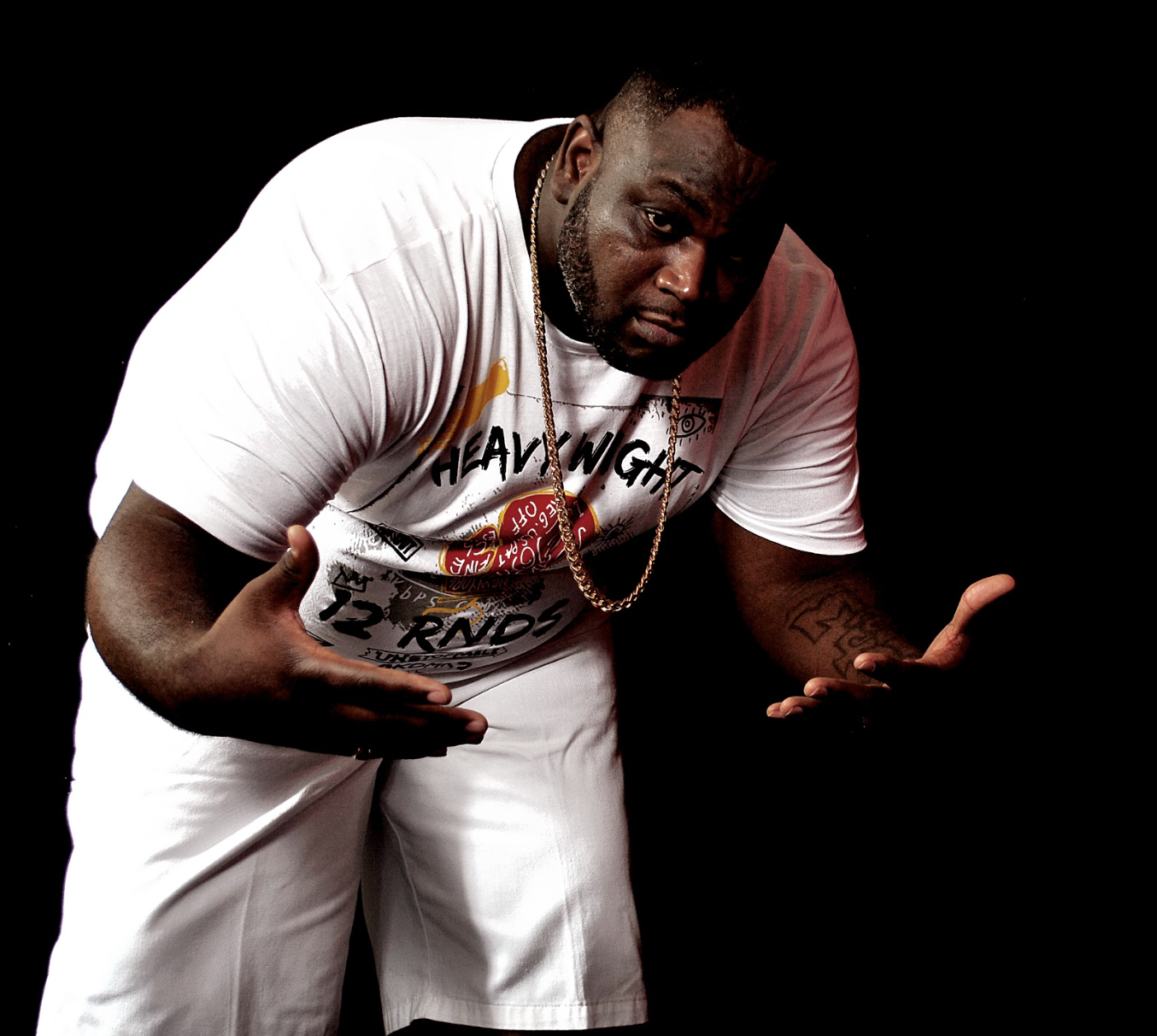
Hip hop and storytelling go hand in hand, and Big Rome, “The Arkansas Boss,” stands as one of the underground’s finest narrators—a connoisseur of unapologetic rap equally capable of fueling a late-night party or moody night of contemplation. Growing up in a rough and tumble environment where “life was like a movie,” Rome faced incredible adversity from an early age. Searching for a creative outlet to stay afloat, he turned to poetry—uncovering an exceptional gift that would go on to transform both his life and career. Rome isn’t just another rapper dropping bars; he’s an award-winning poet, a master of channeling real-life experiences into resonant prose that speaks to the stark realities of street life.
For more than 15 years, he’s been a dedicated force in the underground music scene—starting as a mixtape artist before founding his own independent label in 2011. Along the way, he earned numerous global radio spins, placements in TV, films, and video games, and even an IMEA Song of the Year award. On his latest EP, each of the five tracks feels like flipping through pages of his journal—each line a roadmap of trials, tribulations, and triumphs, and a rare chance to experience music that isn’t just about the hard-hitting sound, but also about the soul behind it, carrying the pride of a hustle decades in the making.
Naturally, “Who I Am” is Big Rome’s manifesto—an unshakable declaration of greatness and a bold exploration of how the scars of his past continue to shape his present. So bold, in fact, that the track was featured in the award-winning Showtime original series House of Lies, racking up over 10 thousand streams and climbing indie and top airplay charts. Gliding over a dramatic, speaker-rattling trap beat, Rome lays it all out, owning his story and refusing to be anything other than himself. The track is cleverly framed as if he were spilling his truths on a therapist’s couch, piecing together and reflecting upon his journey for the very first time. While the ominous hip hop soundscape cloaks in a looming darkness, resilience—and even empowerment—pokes through the cracks. It was never easy to get by, and there are still those who take issue with his character. But at the end of the day, Rome came up entirely on his own, a real individual who won’t run from the truth. “This is who I am…” he proclaims, his words fortified with strength and dignity, “You can’t change it.”
The “Who I Am” music video delivers the kind of one-two punch of grit and swagger that fans expect from a hip hop visual—but instead of filming on a Hollywood soundstage or against a glittering city skyline, Rome doubles down on the authenticity, bringing viewers straight to the real streets he calls home. “Every rapper ain’t no hood star let’s get that understood,” he raps, before asserting, “Big Rome be the truth cause I’m really from the hood…” The raw, on-the-ground cinematography style perfectly mirrors the song’s unfiltered intensity—every frame charged with electricity, intimidation, and untamable confidence. Still, Rome carries himself with pride, never surrendering to his circumstances or squandering his opportunities. He’s a true hustler on the brink of something greater—and there’s no better moment to show the world exactly what he’s made of.
1. Big Rome, “Who I Am” feels like your manifesto. What moment in your life pushed you to say, This is the track where I lay it all out?
As artists, we wear our hearts on our sleeves. When writing my lyrics, pieces of me (personal experiences) tend to spill out. Authenticity has always been my Forte.
2. You frame the song almost like a therapy session—spilling truths, piecing your story together. Was that intentional from the start, or did it just unfold that way as you wrote?
It was an idea that came to mind after the first 3 tracks were written. I said Why not give it a try. Taking risks is part of the game. I wasn’t sure how it would resonate with listeners, and now I know they like it. Makes it easier to follow the music throughout each track.
3. The beat is dark and heavy, but there’s resilience that breaks through. How did you strike that balance between pain and empowerment?
That’s a gift I’ve always had since my poetry writing days. Execution in the recording booth I try to attack each track like a spoken word poet would do.
4. This track ended up in Showtime’s House of Lies. How did it feel to have such a personal declaration reach a mainstream audience through that placement?
I was excited, of course, being where I’m from, opportunities like that don’t come at all. I was happy that I got lucky by being in the position to secure that publishing deal for that track.
5. The video keeps it real—no glossy sets, just you in the streets that shaped you. Why was it important to ground the visuals in that environment?
Authenticity, that’s just who I am as an individual. I’m not flashy at all. I like originality, being myself, not watered-down, being able to just be myself, and have the viewers see me in my natural environment.
6. There’s a line—“Every rapper ain’t no hood star, let’s get that understood.” Do you feel like authenticity is the most important currency in hip hop right now?
Rap has become a popularity contest when it comes to real-life street music. Some of these rappers don’t even live this lifestyle, but it’s what most people gravitate to when they hear it, for example: you have someone who never actually experienced it the way most of us have who steals these life experiences and uses it for themselves… I don’t like people who steal from my culture and act as if they lived it. The struggle is real around here…
7. You’ve been grinding independently for more than 15 years, running your own label, stacking awards and placements. Looking back, what do you think has kept you consistent through it all?
I’m trying to pay my bills… so wherever there is money to be made, if I can make it happen, I’m there. It’s not about fame with me. If it happens, it happens, but my priority is setting my fam up for success in this world. Just trying to find the best way to make it possible.
8. Poetry was your first creative outlet, and it still runs through your music. Do you still think of yourself as a poet first, rapper second—or are they inseparable now?
They’re inseparable now. I consider myself a spoken word poet now that just happens to rap my pain/life experiences over instrumentals.
9. Your EP feels like pages from your journal. How do you decide what to share with the world and what to keep private?
Like I said before, I wear my heart on my sleeve. Sharing pieces of me is a gift I give to the listener. I’m private, but in some cases, I may open up a little just to show that I’m human, also. What I decide to share depends on my mood or what the song requires for it to hit right.
10. When fans hear “Who I Am,” what do you want them to take away about you—not just as an artist, but as a man?
That life isn’t always fair/right, People are going to judge you regardless, and everybody has problems/issues, but at the end of the day, continue to show up and show out and show them who you are in this world. They can’t deny it because being you is a truth they can’t take from you!
Follow Big Rome
https://epkbuilder.com/epks/officialbigrome
https://www.instagram.com/BigRomeOfficial
https://www.facebook.com/OfficialBigRome
https://www.youtube.com/user/BigRomeEntLLCVEVO


