
Award-winning filmmakers Rashad Frett and Lin Que Ayoung Discuss their creative partnership, highly anticipated film Ricky, and the real-life inspiration behind the story.
Interview And Story By F’iona Mesha’ The duo’s collaboration began during their time in New York University’s graduate film
Interview And Story By F’iona Mesha’
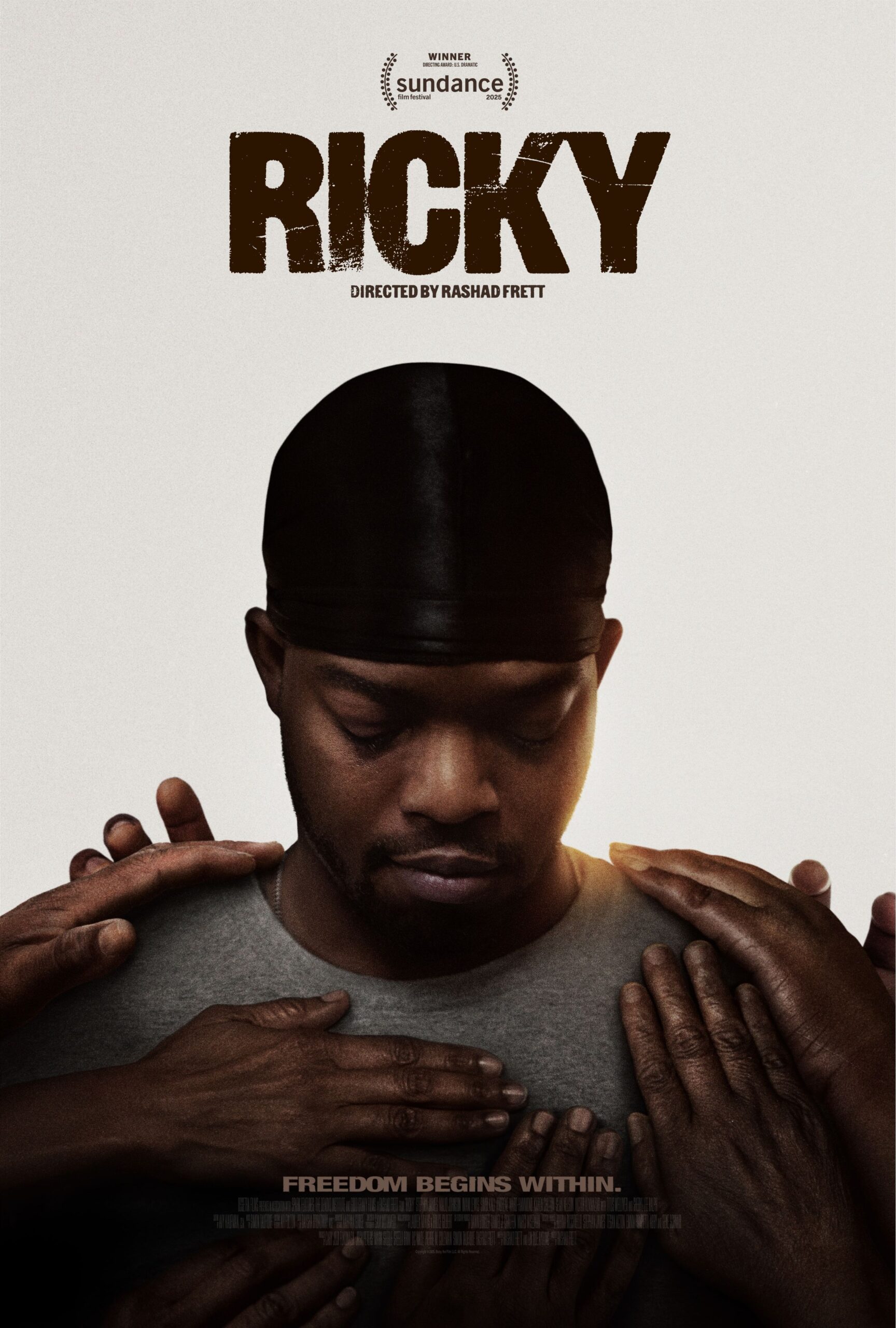
The duo’s collaboration began during their time in New York University’s graduate film program, where a shared artistic vision quickly turned into a lasting professional relationship. What started as a classroom connection evolved into a creative partnership rooted in trust, honesty, and mutual respect. Frett credits Ayoung as an essential force in his journey, noting that she encouraged him to expand his original thesis short into what would eventually become Ricky, a full-length feature.
Before Ricky, the two collaborated on Cracked, a short film written and directed by Ayoung. The project received critical acclaim, earning both the prestigious Spike Lee Production Fund Grant and the King Wasserman Award—presented to the best graduate film at NYU’s First Run Film Festival. That early success not only validated their creative instincts but also solidified their confidence in each other’s abilities.
Their working relationship is built on a foundation of deep trust and open communication. Frett and Ayoung describe their process as one where ideas are constantly challenged, refined, and elevated through collaboration. Ayoung often serves as both a creative sounding board and a strategic thinker, helping shape the narrative while ensuring emotional authenticity. Frett, in turn, brings a strong directorial vision grounded in lived experience and research. Together, they have cultivated a space where honesty is valued over ego—allowing them to push boundaries and tell stories with depth and intention.
Ricky is a character-driven drama that follows an African American man who is incarcerated as a teenager and released at the age of 30. The film explores his struggle to reintegrate into a society he is disconnected from, while navigating the emotional and psychological weight of lost time. The institutional structure he has grown accustomed to and the unfamiliar freedom of the outside, contrasts the complexities of identity, belonging, and survival.
When discussing the origins of the film, Frett emphasized his desire to explore life after incarceration—an often overlooked chapter in storytelling. Drawing from his background in documentary work within the criminal justice system, he sought to create a narrative that felt both intimate and socially relevant.
“For me personally, I get inspired by things around me, as an artist,” Frett shared. “I’ve done documentaries in the criminal justice system for many, many years. A lot of my friends and family members, a good amount of them I should say, have been in and out of the criminal justice system. That’s where the idea of the short came from.”


